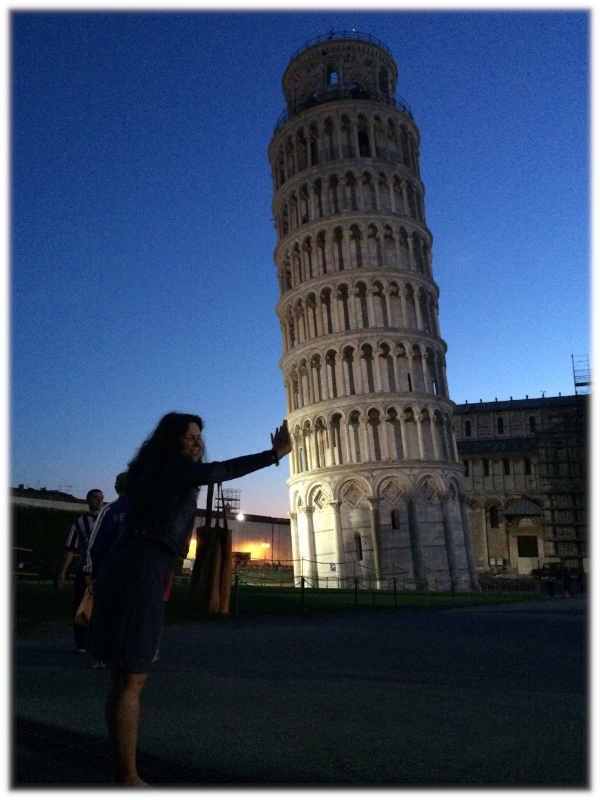
Pisa is a city that is often regarded merely as a pit stop — Pisa. Yet, with its splendid architecture and rich tapestry of history, a short visit can unveil layers of wonder, enchantment, and stories waiting to be discovered. For a traveler seeking an authentic experience, there’s no better place to rest your weary head than the venerable Victoria Hotel, a once-favored retreat of the eloquent Charles Dickens.

Arriving in Pisa

As I arrived in Pisa, the air was fragrant with the scent of local pastries and the earthiness of Italian cypress trees. The narrow streets, brimming with a medley of shops and cafés, felt like a canvas of history waiting to be explored. My first stop was the Victoria Hotel, a charming establishment that sits like a proud sentinel over the Arno River. Reflecting on Dickens' fond memories, I felt a sense of connection to the literary giants who once roamed these very halls, penning their thoughts and indulging their imaginations in the vibrant setting of this historical city.

The Duomo and the Baptistery: Echoes of the Past

Adjacent to the Leaning Tower, the magnificence of the Cathedral of Santa Maria Assunta captures the gaze with its intricate facades and golden hues. Its Romanesque design seamlessly intertwines with Byzantine influences, creating an atmosphere of spirituality and artistic grandeur. As I wandered inside, the soft glimmers of light filtering through stained glass windows revealed centuries of devotion and artistry.

Equally mesmerizing is the Baptistery, its circular shape a juxtaposition to the square lines of the cathedral. The acoustics within this sacred space are nothing short of miraculous. One cannot help but be drawn to the beauty of this historical ensemble known as the Piazza dei Miracoli, where every stone whispers stories of religious fervor and artistic expression.
The Leaning Tower: A Symbol of Resilience
No visit to Pisa would be complete without witnessing its most iconic feature: the Leaning Tower. Still an architectural marvel despite its infamous tilt, the tower's construction commenced in 1173 and took nearly 200 years to complete, serving as a testament to human ambition and resilience. As I stood in the shadow of its elegant marble façade, I considered the numerous artistic and engineering feats that brought this structure to life—even as it defied gravity in its peculiar posture.


Climbing its 294 shimmering white marble steps is an undertaking that offers a unique perspective of Pisa. The view from the top, overlooking the verdant rooftops and the rolling hills of Tuscany, encapsulates the elegance of this historic city. I imagined generations of travelers navigating their way up these same steps, their laughter and gasps echoing into the past.
Discovering Pisa’s Hidden Charms

Pisa’s character extends beyond its monuments; the city's vibrant streets pulse with life. I strolled along the Lungarno, the riverside promenade, where locals unwind with their gelato, savoring sweet delights as the sun dips below the horizon. Each corner offers hidden gems—from fragrant markets brimming with seasonal produce to quaint bookshops filled with literary treasures.

The evening brought a different essence to the city, as I enjoyed a glass of Chianti at a local osteria. The warmth of Tuscan hospitality enveloped me, as I listened to the clinking of glasses and animated conversations around me, the true heartbeat of Pisa’s contemporary culture.

A Gateway to Tuscany

While Pisa itself is full of wonder, its strategic location serves as a gateway to the wider Tuscany region. Just a short drive or train ride away lies the splendid countryside, with rolling hills dotted with vineyards and medieval towns. For a day trip, I ventured to Lucca, a town that boasts well-preserved Renaissance walls and charming piazzas, an oasis of tranquility away from the fervor of city life.

As twilight fell over Pisa, I returned to the Victoria Hotel, content and reflective. The ringing of church bells echoed through the air, a reminder of the city's timelessness. I imagined Dickens, perhaps seated in the same spot, penning his observations, immersed in the spirit of a place where past and present gracefully intertwine.

Conclusion

Pisa, often rushed past on the grand tour, is a delightful revelation waiting to be lingered upon. Its fascinating history is uncoverable in every corner, paired beautifully with the elegance of the Victoria Hotel. A visit here is a chance to not merely observe but to participate in the ongoing story of a city that has cradled creativity and resilience for centuries.

In the end, Pisa isn’t just about the Leaning Tower or the Domes—it’s about the whispers of history and the embrace of a welcoming culture, inviting you to explore its wonders and discover the deeper truths that lie beneath the surface. So, next time you find yourself in Tuscany, let Pisa be more than a fleeting visit; let it be a cherished chapter in your own tale of wanderlust.