
If you’re looking for a charming getaway that’s steeped in history and culture, look no further than Rouen, France. Just a short trip from the UK, this picturesque city in Normandy makes for an ideal 48-hour escape. With its stunning architecture, rich history, and culinary delights, Rouen is sure to capture your heart.
Day 1: Arrival and Exploring the Heart of Rouen
Morning: Arrival in Rouen
Start your journey by taking a train from London to Rouen. The Eurostar service will get you to Paris in about 2.5 hours, where you can transfer to a regional train heading to Rouen — total travel time is around 4 hours. Once you arrive, drop your bags at your hotel and get ready to explore!
Late Morning: The Notre-Dame Cathedral
Your first stop should be the iconic Rouen Cathedral (Cathédrale Notre-Dame de Rouen). This stunning Gothic masterpiece, known for its intricate façade and impressive spires, has inspired artists like Monet. Take your time admiring the ornate sculptures and, if time permits, climb up to the top for a breathtaking view of the city.
Afternoon: Stroll Through the Old Town
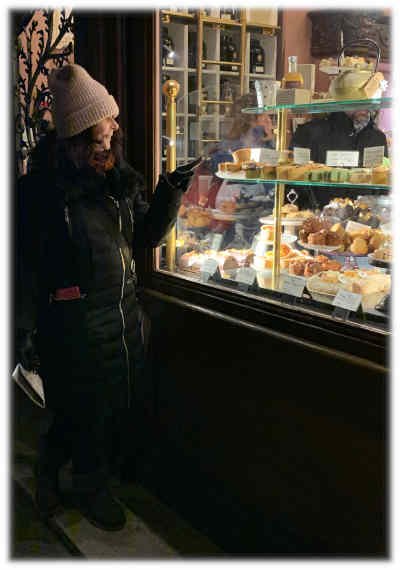
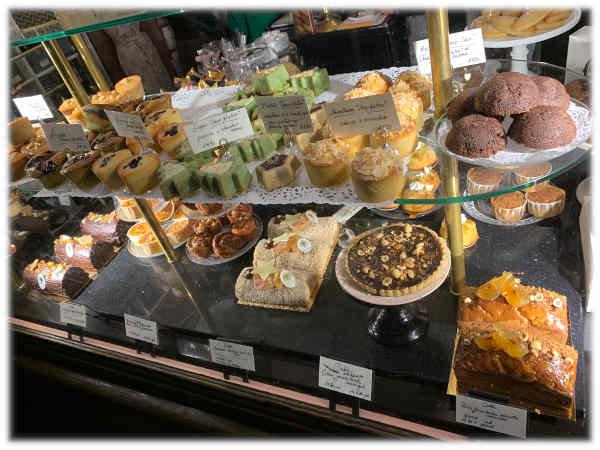
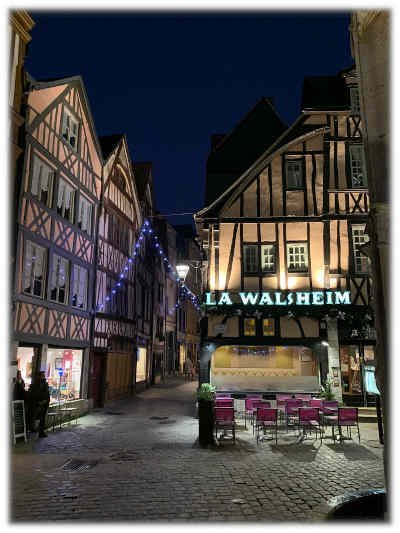
After visiting the cathedral, wander through Rouen’s cobblestone streets. The Old Town is lined with half-timbered houses, cafes, and boutiques. Don’t miss the Gros Horloge, a beautiful astronomical clock that dates back to the 14th century. Take a break at a local café for a traditional French lunch; try the “les filoselles,” a delicious norman pastry.
Evening: Dinner and a Seine River Walk
Walkg the sun starts to set, enjoy dinner at one of the local bistros, where you can sample regional delicacies. After your meal, take a leisurely stroll along the Seine River, taking in the reflections of the historic buildings against the water.
As the sun starts to set, enjoy dinner at one of the local bistros, where you can sample regional delicacies. After your meal, take a leisurely stroll along the Seine River, taking in the reflections of the historic buildings against the water.
Day 2: Unearthing Rouen’s History and Culture
Morning: Musée des Beaux-Arts
Start your day with a visit to the Musée des Beaux-Arts de Rouen, home to an impressive collection of paintings by renowned artists such as Caravaggio, Monet, and Delacroix. This museum is perfect for art lovers and provides insight into France’s artistic evolution over the centuries.
Late Morning: The Joan of Arc Historial
Next, head to the Historial Jeanne d’Arc, dedicated to the life and legacy of Joan of Arc. This immersive experience showcases her history through multimedia displays in the building where she was tried. It’s a fascinating glimpse into French history and the trials faced by this national heroine.
Afternoon: Lunch and Shopping
For lunch, enjoy some delicious “crepes” at a nearby eatery, a must-try in Normandy! Afterward, explore the local markets or boutiques for handmade crafts and souvenirs. Look out for local cider and cheese, perfect gifts to take back home.
Evening: Farewell Dinner
Before leaving Rouen, treat yourself to a farewell dinner at a renowned restaurant with views of the Seine. Indulge in Normandy’s famous seafood dishes and finish off with a glass of Calvados, an apple brandy that hails from the region.
Conclusion: Reflecting on Rouen’s Charm
Rouen has a fascinating connection to English kings, primarily due to its historical importance during the Norman conquest and subsequent events in medieval history. Here are some key points regarding Rouen’s ties to England:
- Duchy of Normandy: Rouen was the capital of the Duchy of Normandy, which became significant when William the Conqueror, originally Duke of Normandy, invaded England in 1066. William, who was also known as William I of England, established the Norman influence over England, leading to profound changes in English history and culture.
- Seat of Power: After the Norman conquest, Rouen served as an important political and administrative center for the Normans. It was often the site of gatherings and decisions impacting both Normandy and England.
- Henry II’s Reign: Rouen continued to play a crucial role during the reign of King Henry II of England (1154-1189). As a descendant of the Norman dynasty, Henry had strong ties to France and regularly governed from Rouen, reinforcing the city’s significance in Anglo-Norman politics.
- John Lackland: King John of England (1199-1216), the son of Henry II, spent considerable time in Rouen during conflicts with France. He lost much of his French territory but led to the important treaty agreements and events influencing both English and French territories.
- The Hundred Years’ War: During the Hundred Years’ War (1337-1453) between England and France, Rouen changed hands multiple times. At one point, it was under English control, further intertwining the two nations’ histories.
- Joan of Arc: The trial of Joan of Arc also had significant connections to English authority in Rouen. She was tried and executed there in 1431 during the English occupation of the city, marking a pivotal moment in the conflict between England and France.
Rouen’s historical connections to English kings are a reflection of the intertwined fates of the two nations, shaped by war, conquest, and political alliances. The city remains a testament to this rich and complex history.
As your 48-hour adventure comes to an end, take a moment to reflect on the captivating history, culture, and beauty that Rouen has to offer. With its ancient streets, stunning cathedral, and rich heritage, Rouen is more than just a destination — it’s a journey back to the heart of England and France’s history.
Ready to embark on your Rouen adventure? Pack your bags, grab your camera, and get ready to make unforgettable memories!