
The Fort of Peniche, located on the western coast of Portugal, has a rich history that dates back to the 16th century. Originally constructed in 1557, the fort was built to defend the town of Peniche from pirates and foreign invasions, particularly from the Spanish. Its strategic position on a rocky outcrop made it an essential defensive structure against maritime threats.
Over the centuries, the fort underwent several renovations and expansions, adapting to evolving military architecture and technology. In the 17th century, it became part of the Portuguese Royal Navy’s defense network and was involved in various military engagements.
During the 20th century, the Fort of Peniche transitioned from a military stronghold to a political prison during the Portuguese dictatorship, particularly notorious in the 1960s and 70s. Political prisoners, including dissidents against the regime, were held there, which added a darker chapter to its history.
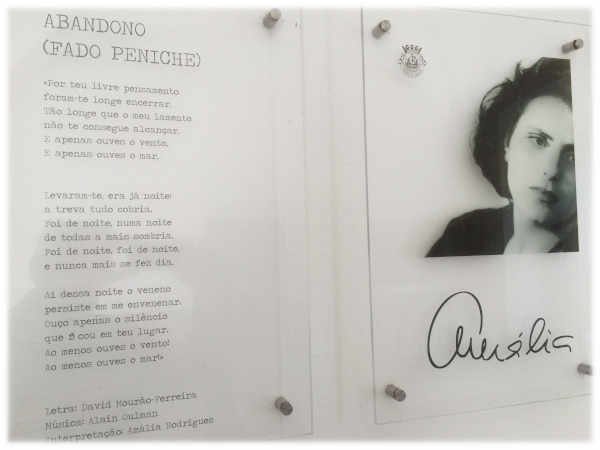
The fort was officially closed as a prison in 1974, following the Carnation Revolution that ended the dictatorship in Portugal. Since then, it has been preserved as a historical monument and is now a museum that showcases its multifaceted history. Walking around the empty prison of Fort Peniche, I feel an overwhelming sense of history and introspection. Running my fingers along the cold, weathered stone walls, a chill spreads through them, reminding them of the countless voices and untold stories that once echoed in these corridors. The texture of the walls, rough and unyielding, serves as a tangible connection to the suffering endured by the prisoners who lived here.
I am struck how the air is thick with a haunting silence, broken only by the rhythmic sound of waves crashing against the fort’s walls. This constant, powerful roar creates a stark contrast to the stillness of the prison, evoking a sense of isolation and melancholy. Each wave could feel like a reminder of freedom beyond the walls, yet feels distant and unattainable for those who were confined here. Walking through the once-vibrant spaces, I experience a deep empathy for the souls who inhabited the dreary cells. Emotions such as sorrow, anger, and hope swirl within, contemplatinhg the struggles faced and the resilience shown by those who were imprisoned. A sense of reverence presses upon me, making me acutely aware of the passage of time and the sacrifices made in the pursuit of freedom.
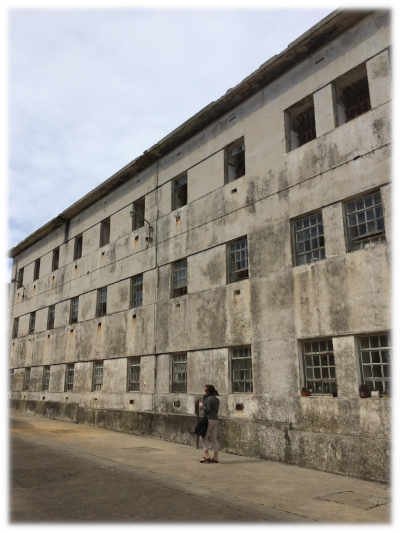
In this solemn environment, the combination of silence, touch, and sound creates a profound, reflective experience—a poignant journey through a painful past that serves as a reminder of the importance of freedom, dignity, and the human spirit.
Thus, it’s only been a few decades since the Fort of Peniche ceased to function as a prison, allowing it to transform into a site of cultural significance and historical reflection in contemporary Portugal. Today, visitors can explore its architecture and learn about the stories it holds, making it a poignant reminder of both its military and political past.
Nestled just a short train ride from Lisbon, Sintra is a picturesque town that feels like stepping into a fairy tale. With its lush hills, vibrant palaces, and rich history, Sintra offers a charm that is truly enchanting. My journey to this magical escape took me through winding roads, stunning landscapes, and a tapestry of cultural treasures that I couldn’t wait to explore.
Enchanting Palaces and Castles
My adventure began at the iconic Pena Palace, a jewel of Romantic architecture perched high on a hilltop. As I approached the vibrant turrets and whimsical designs, I was struck by the kaleidoscope of colors that decorated the palace. Exploring the lavish interiors, I marveled at the ornate rooms and beautiful tilework that transported me back in time. The views from the palace’s terraces were simply breathtaking, overlooking the surrounding hills and the town below.
Next, I made my way to the Moorish Castle. This ancient fortress, dating back to the 8th century, offers a fascinating glimpse into Sintra’s history. I wandered along the stone walls, feeling the cool breeze as I soaked in panoramic views of the landscape and the Atlantic coastline in the distance. The castle’s rugged charm and stunning vistas made it a highlight of my visit.
Nature’s Embrace at Quinta da Regaleira
A visit to Sintra isn’t complete without exploring the enchanting gardens of Quinta da Regaleira. This UNESCO World Heritage site is known for its intricate architecture and mystical gardens. I spent hours wandering through grottos, fountains, and enchanting labyrinths, each corner revealing artistic surprises.
One of the most mesmerizing features is the Initiation Well, a spiraling structure that descends deep into the earth. I descended the moss-covered stairs and found myself in a magical subterranean world. The experience was a blend of adventure and introspection, leaving me feeling connected to the whimsical atmosphere of Sintra.
The Allure of the Sintra-Cascais Natural Park
For nature lovers, the Sintra-Cascais Natural Park is a treasure trove of hiking trails and breathtaking landscapes. I laced up my hiking boots and embarked on a trail that led me through dense forests and rugged cliffs. The scent of eucalyptus filled the air as I made my way to Cabo da Roca, the westernmost point of mainland Europe. Standing on the rocky cliffs, I gazed out at the crashing waves below, feeling a profound sense of solitude and awe.
Delicious Local Flavours
After a day of exploring, I treated myself to traditional Portuguese cuisine. I visited a cozy tavern in Sintra and indulged in a hearty dish of bacalhau à brás, a flavorful cod dish paired with crispy potatoes and olives. For dessert, I couldn’t resist the famous Travesseiros de Sintra, flaky pastries filled with almond cream. Each bite was a delicious reminder of the region’s culinary delights.
A Stroll Through Sintra’s Streets
In the evenings, I took leisurely strolls through Sintra’s charming streets. The narrow alleys, lined with pastel-colored buildings adorned with decorative tiles, exuded a delightful ambiance. The scent of blooming flowers and the sound of laughter filled the air as locals and tourists alike enjoyed the vibrant atmosphere.
I also visited the historic center, where shops offered handmade crafts, local wines, and artisanal products. I picked up a few souvenirs to cherish the memories of my time in this magical town.
In Conclusion
Sintra, Portugal, is a destination that captivates the heart and soul, with its fairy tale palaces, stunning landscapes, and rich cultural heritage. My journey through this enchanting town was filled with wonder and discovery, leaving me with memories I will treasure forever. Whether you’re a history buff, a nature enthusiast, or simply seeking a unique escape, Sintra beckons with its charm, inviting you to explore its secrets and embrace its magic.